
Newsletter Sign-up

Name(Required)

Melvin Carter

Senior Advisor

Melvin is a nationally recognized systems innovator and two-term Mayor of Saint Paul known for advancing equity-centered, community-driven change. As chief executive of an $800 million municipal enterprise, he has led transformative public-private partnerships, guided the city through overlapping crises, and launched nationally recognized models such as Community-First Public Safety and CollegeBound Saint Paul. Melvin brings operational rigor and a deeply human leadership philosophy focused on generational impact and inclusive economic growth.

Drinal Foster

Chief Impact Officer

Drinal oversees performance measurement, operational excellence, and long-term impact tracking for GroundBreak Coalition, ensuring its transformational goals are matched by disciplined execution. A 30-year Wells Fargo veteran and Senior Vice President, she has led enterprise-wide operational and customer engagement initiatives with a strong focus on equity and inclusion. An award-winning executive and civic leader, Drinal brings deep systems expertise to align strategy, accountability, and innovation in building a more inclusive financial system.

Mike LaFave

Chief of Staff

Mike serves as Chief of Staff for the GroundBreak Coalition, overseeing governance, operations, and coordinated implementation as the organization expands its impact. With more than 25 years of senior leadership in community development—including roles at Family Housing Fund, Project for Pride in Living, and Neighborhood Development Center—he has dedicated his career to expanding access to housing, capital, and entrepreneurship. Mike brings strategic discipline and partnership-driven leadership to advance equitable wealth building across Minneapolis–St. Paul.

Gwen King-Lunde

Executive Administrator & Operations Coordinator

Gwen serves as Executive Administrator and Operations Coordinator for the GroundBreak Coalition, strengthening cross-functional coordination and ensuring the organization’s operations run seamlessly in service of its mission. With a background in nonprofit administration, executive support, and program management, she brings expertise in stakeholder engagement, budget oversight, and high-level communications.

Eric White

Chief Investment Officer

Eric leads the Capital Mobilization aspects of the GroundBreak Coalition, ensuring that our financial institution and community lending partners in entrepreneurship, homeownership, and neighborhood development are working seamlessly in support of the wealth builders we serve. With nearly 20 years experience in impact and investing, mobilizing hundreds of millions of dollars for economic justice at Cogent Consulting, the Bush Foundation, and The Financial Services Consulting Group, mobilizing capital equitably is his life’s work.

EMAIL

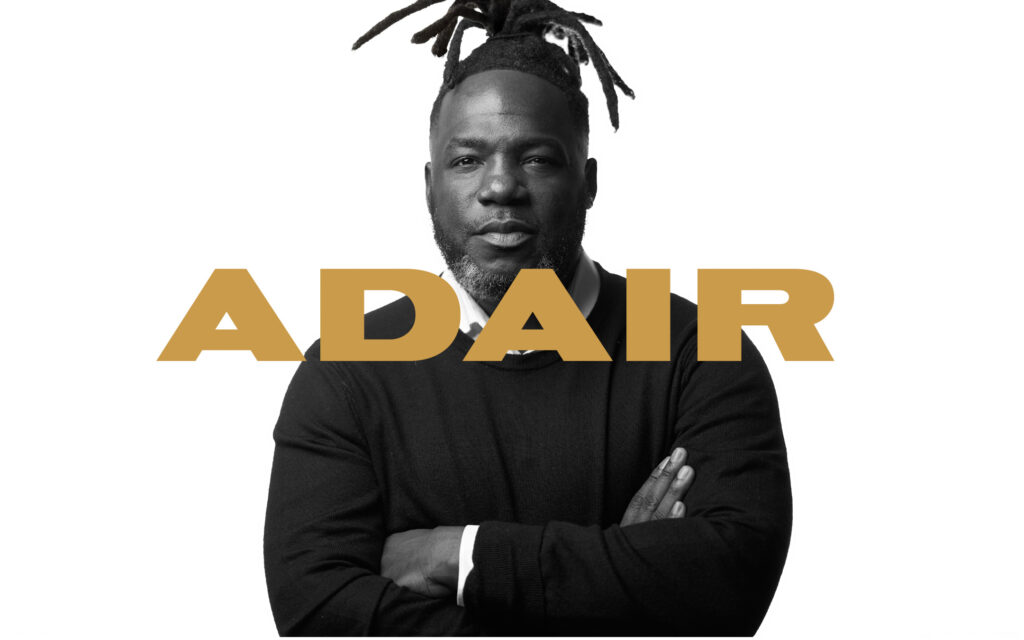
Adair Mosley

CEO

Adair leads the GroundBreak Coalition with a deep commitment to equity-driven transformation and creating new pathways for generational prosperity across Minnesota. With more than a decade of experience leading social impact organizations—including serving as CEO of African American Leadership Forum and President & CEO at Pillsbury United Communities—his career has been dedicated to rallying talent, launching innovative initiatives, and building a more equitable financial system for all.

EMAIL

What is ABH (Advancing Black Homeownership)?

This first-of-its-kind program combines flexible underwriting criteria with financial assistance to help Black or African-American buyers overcome historically inequitable housing practices and buy their first home. The ABH Community Fund is a collaboration between the Minnesota Homeownership Center, Twin Cities Habitat for Humanity, Build Wealth Minnesota, NeighborWorks Home Partners, PRG, Inc., Project for Pride in Living (PPL) and GroundBreak Coalition.

Opinion | Survival Isn’t Success. Small Businesses Need Deeper Support.

By Renay Dossman 

In a July 11 article (“What does the closure of beloved restaurants and music stores mean for small businesses in Minnesota?”), the Department of Employment and Economic Development (DEED) points to “robust” growth, citing that 50% of businesses opened since 2019 were still operating five years later.

But is a 50% five-year survival rate truly good enough for the entrepreneurs who bring life, identity and economic resilience to our communities? We believe that Minnesotans deserve better, and that survival is too low a bar.

These closures are not isolated; they reflect deep issues. Especially for disadvantaged entrepreneurs in low-income neighborhoods, lack of access to traditional banking, government policy shifts, rising rents and lease issues stack the odds against long-term sustainability.

The reality facing small businesses today

Entrepreneurship is on the rise across the country, especially among Black women, who are launching businesses at higher rates than any other group. But opening a business is just the start. Sustaining it in today’s climate is increasingly difficult. And the pressure is only growing.

The good news: Big ideas with big impact

Despite these headwinds, there are bold, effective solutions already underway. When we pair capital with assistance to improve financials, management, marketing and other business practices, small businesses don’t just survive — they grow, hire and lead transformation in their neighborhoods. Two initiatives are audaciously leading the way.

The GroundBreak Coalition, convened by the McKnight Foundation, is working to realign financial systems to create greater access to homeownership, business ownership and development. The state-funded PROMISE Act Grants and Loan Program is investing more than $100 million to support small businesses most affected by economic and social disruption.

These investments are helping businesses hire staff, expand operations and reach new customers, creating a foundation for long-term success. NDC and our community partners are honored to play roles in ensuring these resources reach small businesses in the Twin Cities.

At NDC, even without the additional resources, external studies show that our model has helped entrepreneurs achieve an average 10- year business lifespan and average annual income increases of $20,000-plus for entrepreneurs.

We know this works. And with support from ambitious initiatives like GroundBreak and PROMISE, the potential for impact is even greater.

What’s needed now: A vision for the future

Minnesota is home to a robust ecosystem of entrepreneur support organizations, including 21 Community Development Financial Institutions (CDFIs), that combine capital with hands-on guidance in financing, marketing and business operations.

These organizations are embedded in their communities and trusted by the entrepreneurs they serve.

Yet support for these efforts declined in the most recent legislative session, just when small businesses needed them most.

The path forward requires investing in adaptation: helping small businesses adapt new technologies; protect their data; explore mergers, co-op ownership and growth opportunities, and build workplace cultures that attract and retain great employees.

The state and other supporters must approach small-business development not as charity, but as stratey — and as a foundation for inclusive economic growth.

Success is possible if we match the audacity of our entrepreneurs with equally bold support.
Source 

Scroll to Top